

When Rajesh Mehta retired from a government insurance company in Delhi-NCR at the age of 64, he and his wife Shweta faced a fundamental question: where should they spend the next two or three decades? With both daughters married and settled in the United States, the couple began reassessing their priorities. Rising maintenance costs, traffic congestion and pollution made them question whether remaining in the national capital region still made sense.
A similar realisation prompted businessman Pratap Sharma and his wife to leave Mumbai for Rishikesh after their sons married and settled. They sought a quieter, less expensive environment with the added comfort of having relatives nearby. These individual stories reflect a broader shift underway across India. Growing numbers of retirees are choosing Tier-2 cities and spiritual hubs over the metropolitan centres where they spent their working lives.
A Growing Senior Living Market
India’s senior housing market is estimated at $4.31 billion in 2026 and is projected to reach $11.43 billion by 2031. The expansion is driven by demographic change. The country’s elderly population is expected to reach approximately 230 million by 2036, accounting for nearly 15 per cent of the total population. Nuclear families, migration and changing household structures are increasing demand for organised senior living that combines independence with access to healthcare, safety and community facilities.
While established markets such as Bengaluru, Hyderabad, Pune and Chennai continue to attract retirees, a wider set of locations is gaining attention. Cities including Coimbatore, Vadodara, Nashik, Kochi and Mysuru are emerging as strong contenders. Spiritual centres such as Ayodhya, Varanasi, Haridwar and Tirupati are also being identified as potential retirement and second-home destinations.
Why Tier-2 Cities Appeal
Tier-2 cities offer a combination of relatively affordable housing, improving healthcare infrastructure and a more manageable pace of life. Average home prices in many of these locations remain significantly lower than in major metros, with options often available below Rs 70 lakh. Lower living costs free up resources for travel, healthcare and leisure activities that many retirees prioritise.
Healthcare access has improved in several Tier-2 centres. Hospitals and specialised facilities are expanding, reducing the earlier concern that quality medical care existed only in the largest cities. Cleaner air, reduced congestion and shorter travel times contribute to a less stressful daily routine. For many, these practical advantages outweigh the familiarity of the city where they built their careers.
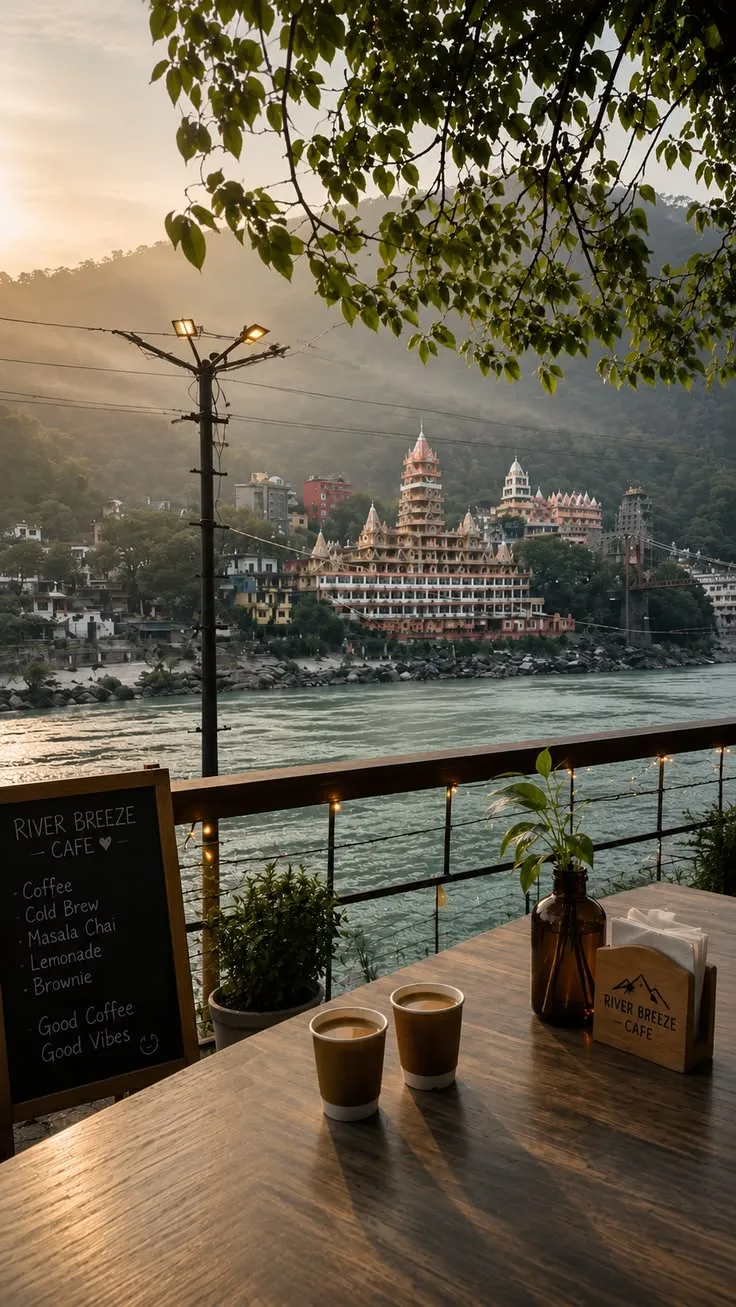
The Pull of Spiritual Hubs
Spiritual destinations hold a distinct appeal. Places such as Rishikesh, Haridwar, Varanasi, Ayodhya and Tirupati allow retirees to integrate religious and cultural practices into everyday life rather than treating them as occasional visits. The presence of temples, ashrams, community gatherings and familiar traditions creates a sense of belonging that many find meaningful in later years.
Rishikesh, in particular, has drawn attention for its combination of spiritual atmosphere, proximity to the Himalayas and relatively lower costs compared with metros. Retirees who move there often cite the quieter environment, access to nature and the opportunity to participate regularly in local religious and wellness activities.
Practical Considerations Before Moving
Choosing a retirement location involves more than comparing property prices. Prospective movers need to evaluate healthcare quality and emergency response times, connectivity for visits to children or family, climate suitability, and the availability of social networks. Maintenance charges, domestic help, medical insurance and transport costs form part of the ongoing budget.
Experts advise spending time in a prospective city before committing to a purchase. Understanding neighbourhoods, actual living expenses and the quality of medical facilities helps avoid later regrets. Those considering organised senior living communities should carefully compare purchase prices with recurring charges for meals, housekeeping, maintenance and care services.
Changing Family Dynamics and Lifestyle Priorities
The rise of nuclear families and the settlement of children in other cities or countries have reduced the traditional expectation that parents will remain in the same location indefinitely. With career demands behind them, many retirees reassess what they value most: open spaces, cleaner surroundings, cultural familiarity and a slower daily rhythm.
Financial calculations also play a role. A lower housing cost in a Tier-2 city or spiritual hub can stretch a retirement corpus further, allowing greater flexibility for travel and healthcare. At the same time, the decision remains deeply personal. What works for one couple may not suit another, depending on health needs, family proximity and individual preferences.
Looking Ahead
India’s retirement map is expanding. Established metropolitan markets will continue to serve those who prefer remaining close to long-standing networks and advanced medical infrastructure. At the same time, Tier-2 cities and spiritual centres are carving out a growing role by offering affordability, improving amenities and a different quality of life.
The examples of couples leaving Delhi-NCR or Mumbai for quieter destinations illustrate a wider rethinking of where the later years should be spent. For an increasing number of retirees, the city that supported a career is no longer automatically the place chosen for retirement. Instead, priorities such as peace of mind, manageable costs, cultural connection and everyday well-being are guiding decisions about the next chapter.
Read more – wishdua.com