
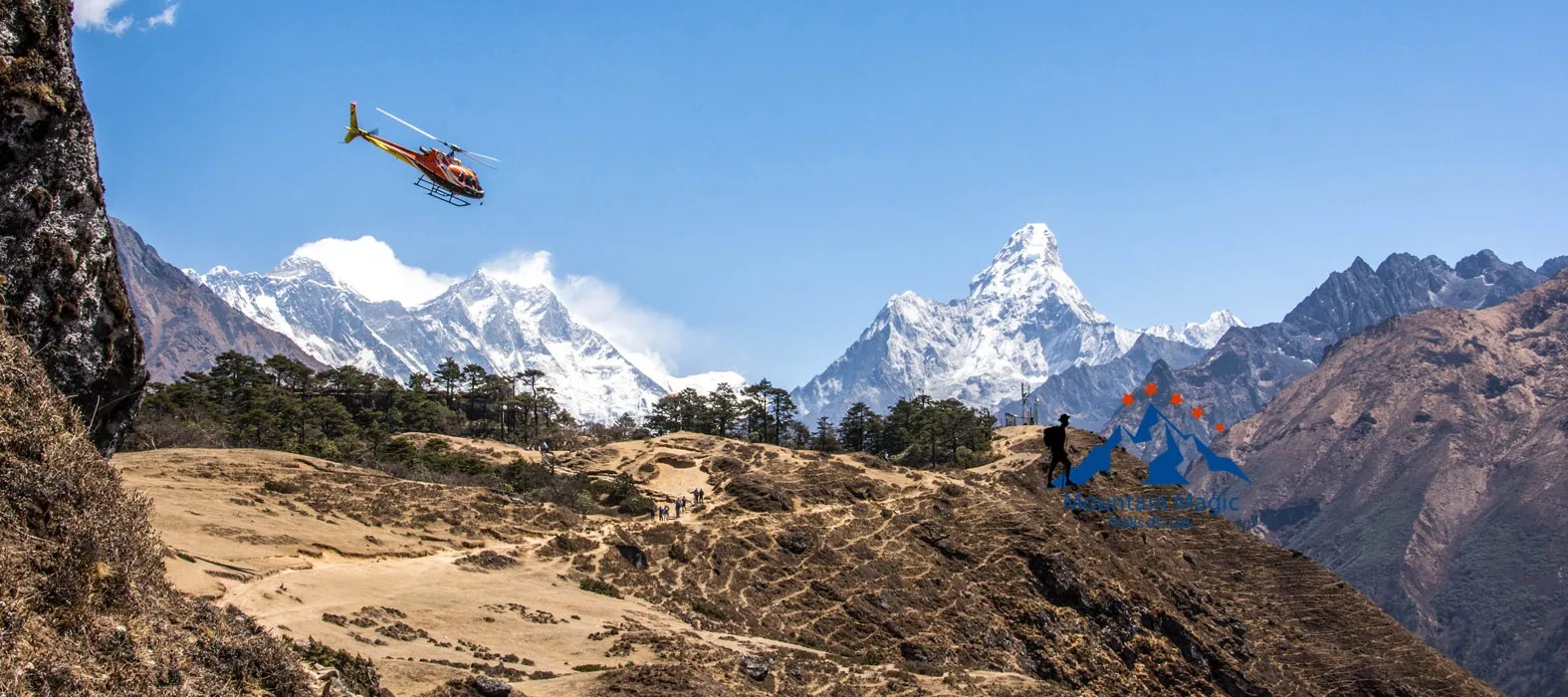
The Himalayan mountains are famous for their clean air, snowy peaks, and beautiful landscapes. However, keeping these places clean requires more than natural beauty. Every village, lodge, shop, and trekking group produces waste that must be handled carefully.
In remote mountain areas, waste management is difficult because transportation and disposal facilities are limited. Plastic packaging, food leftovers, empty bottles, batteries, and other discarded materials can create long-term problems if they are left on trails or dumped in open spaces.
The Everest Base Camp Trek with Helicopter Return passes through communities that depend on a healthy natural environment. Responsible waste practices help protect local water sources, wildlife habitats, and the mountain scenery that supports tourism and village life.
Why Waste Management Is a Serious Mountain Challenge
Managing waste in a city is already a major task. In the Khumbu region, the challenge becomes greater because many settlements have limited road access and fewer disposal facilities.
Waste cannot always be transported away quickly. Some materials need to be carried over long distances, while others require proper sorting before they can be processed.
Several issues make waste management difficult:
-
Remote locations: Many villages are far from large waste-processing facilities.
-
Limited transport: Moving discarded materials can require considerable time and effort.
-
Tourism activity: More visitors can increase the amount of packaging and household waste.
-
Weather conditions: Snow, rain, and cold temperatures can make collection work harder.
-
Limited storage: Small settlements may not have enough space to store waste safely.
These challenges make prevention and proper disposal especially important.
Understanding the Different Types of Waste
Not all waste creates the same environmental problem. Some materials break down naturally, while others can remain in the environment for many years.
Plastic and Packaging Materials
Plastic bottles, snack wrappers, food containers, and packaging are common examples of trekking waste. Lightweight items can easily blow away in strong mountain winds.
Plastic can also break into smaller pieces, making collection more difficult. It should never be thrown into streams, left beside trails, or buried in open ground.
Food and Organic Waste
Food scraps, vegetable peels, and other organic materials can often be handled separately from plastic and other rubbish.
However, throwing food waste into open areas is not a responsible solution. It can attract animals, create unpleasant conditions, and affect nearby spaces.
Batteries and Electronic Waste
Used batteries, damaged power banks, and electronic items need special attention. They may contain materials that can harm the environment if handled incorrectly.
Travelers should carry used batteries and unwanted electronic items back to suitable collection points instead of leaving them in mountain settlements.
How Local Lodges Can Reduce Daily Waste
Teahouses and lodges produce waste through food preparation, guest services, cleaning, and daily operations. Their decisions can make a difference because they serve both residents and visitors.
Reducing Single-Use Products
Businesses can reduce unnecessary packaging by choosing reusable containers and serving materials when practical.
They can also encourage guests to refill reusable water bottles where safe and suitable facilities are available.
Separating Waste at the Source
Sorting waste before disposal makes later handling easier. Separate containers for recyclable, organic, and general waste can help staff and visitors understand where different items belong.
Clear labels are useful, especially in busy dining areas where guests may not know the local disposal system.
Waste Collection Along the Everest Trail
Waste collection in mountain communities often requires cooperation between local authorities, businesses, community groups, and trekking organizations.
Collection arrangements can differ between settlements. Some areas may have designated collection points, while other locations depend on organized carrying and removal systems.
The Everest Base Camp Trek with Helicopter Return takes visitors through several settlements where waste practices may vary. Travelers should follow the instructions provided by their guide or accommodation rather than assuming every village uses the same disposal method.
Why Waste Should Not Be Left Beside Trails
Discarded items can damage the appearance of the landscape and create hazards for animals and people.
Even a small wrapper can become difficult to recover after strong winds carry it away. Waste left near streams may also reach water sources.
Carrying rubbish until a proper disposal point is available is a simple but important habit.
The Role of Trekking Companies and Guides
Trekking companies can help reduce waste by setting clear rules before and during a trip. Guides also play an important role because they communicate directly with travelers along the route.
Useful practices include:
-
Explaining local waste rules before the trek begins.
-
Encouraging reusable bottles and containers.
-
Carrying small bags for personal rubbish.
-
Avoiding unnecessary disposable packaging.
-
Using proper collection points whenever available.
-
Informing travelers about restrictions on burning or dumping waste.
A responsible trekking plan should consider environmental practices alongside accommodation, transportation, and route arrangements.
How Travelers Can Reduce Their Personal Waste
Visitors do not need complicated equipment to make better waste decisions. A few simple habits can reduce the amount of rubbish produced during the journey.
Pack Products with Less Packaging
Before leaving Kathmandu, travelers can remove unnecessary outer packaging from personal items and organize their supplies in reusable bags.
This reduces the amount of rubbish carried into remote areas.
Carry a Small Reusable Waste Bag
A lightweight bag can hold wrappers, tissues, and other small items until a suitable disposal point is available.
It should remain closed and separate from food and clean equipment.
Avoid Disposable Items When Practical
Reusable water bottles, food containers, and shopping bags can reduce daily waste. Travelers should also avoid purchasing products with unnecessary packaging whenever practical.
Protecting Water Sources and Natural Habitats
Mountain streams and rivers are important for communities, animals, and local businesses. Improper waste disposal can affect these water sources and the surrounding environment.
Batteries, plastic, chemicals, and untreated rubbish should never be dumped near rivers or drinking-water collection points.
Wildlife can also be affected by discarded food and packaging. Animals may approach waste areas, consume unsuitable materials, or become dependent on human food.
The Everest Base Camp Trek with Helicopter Return crosses landscapes where clean water and healthy habitats remain important to local life. Protecting these natural resources requires consistent care from residents, businesses, and visitors.
Why Burning or Burying Waste Is Not a Simple Solution
Some people assume that burning or burying rubbish makes it disappear. This is not a safe general waste-management method.
Burning mixed waste can release harmful smoke and leave behind residues. Burying plastic and other non-degradable materials can contaminate the surrounding land and make future removal difficult.
Waste should be handled through suitable local collection and disposal systems. Visitors should never start fires or bury rubbish as a shortcut.
Final Thoughts
Waste management is an essential part of protecting the Himalayan environment. Remote villages face real challenges because rubbish is difficult to collect, store, and transport. However, reducing packaging, separating materials, using proper collection points, and carrying personal waste responsibly can make a meaningful difference.
The Everest Base Camp Trek with Helicopter Return is an opportunity to experience one of the world’s most remarkable mountain regions. Keeping its trails, villages, and water sources clean is a shared responsibility that helps protect the Khumbu for future generations.
Frequently Asked Questions
1. Why is waste disposal difficult in the Everest region?
Many settlements are remote and have limited transport, storage, and waste-processing facilities. Moving rubbish out of these areas requires additional time and effort.
2. What types of waste are common along trekking routes?
Common waste includes plastic wrappers, bottles, food packaging, tissues, batteries, and other discarded personal items.
3. Should trekkers burn rubbish in the mountains?
No. Burning mixed waste can release harmful smoke and create unsafe conditions. Travelers should follow local disposal instructions.
4. How can trekkers reduce plastic waste?
They can carry reusable bottles, avoid unnecessary packaging, use refill facilities where appropriate, and bring a small bag for personal rubbish.
5. Why should waste be kept away from mountain streams?
Waste can affect water quality, harm wildlife, and create health risks for communities that depend on local water sources.